
NSE vs BSE
NSE vs BSE — Which Stock Exchange Should You Choose?
NSE and BSE are the two biggest stock exchanges in India, and almost every share you buy or sell passes through one of these two platforms. NSE stands for National Stock Exchange, and BSE stands for Bombay Stock Exchange. Both exchanges allow investors to buy and sell shares of listed companies, but they have different histories, technologies, and trading volumes. If you are new to the stock market, understanding the difference between NSE and BSE is one of the first things you should learn before you start investing in India.
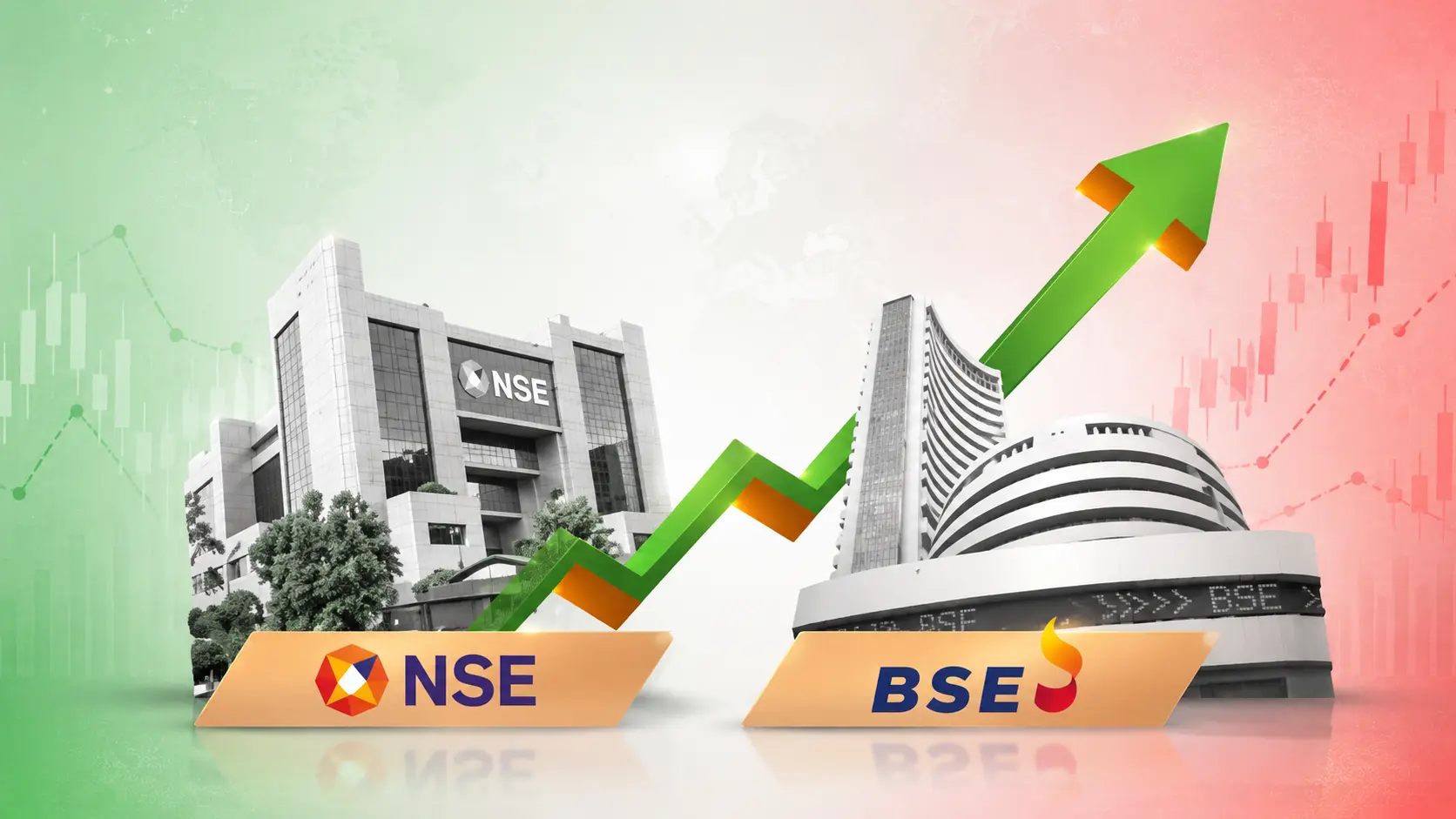
In simple words, when you open a Demat and trading account with any broker like Zerodha, Groww, or Upstox, you automatically get access to both NSE and BSE. So you do not need to choose only one exchange — you can trade on both. However, many beginners still ask "NSE vs BSE, which is better?" because each exchange has its own index, its own trading volume, and its own strengths. NSE is home to the Nifty 50 index, while BSE is home to the famous Sensex index. Both indexes track the performance of the top companies in India, but they are calculated slightly differently. This guide by The Digi Investor will explain everything about NSE vs BSE in the simplest way possible — perfect for beginners who are just starting their investing journey.
1. What Is NSE (National Stock Exchange)?
History, index, and trading volume of India's largest and most modern stock exchange.
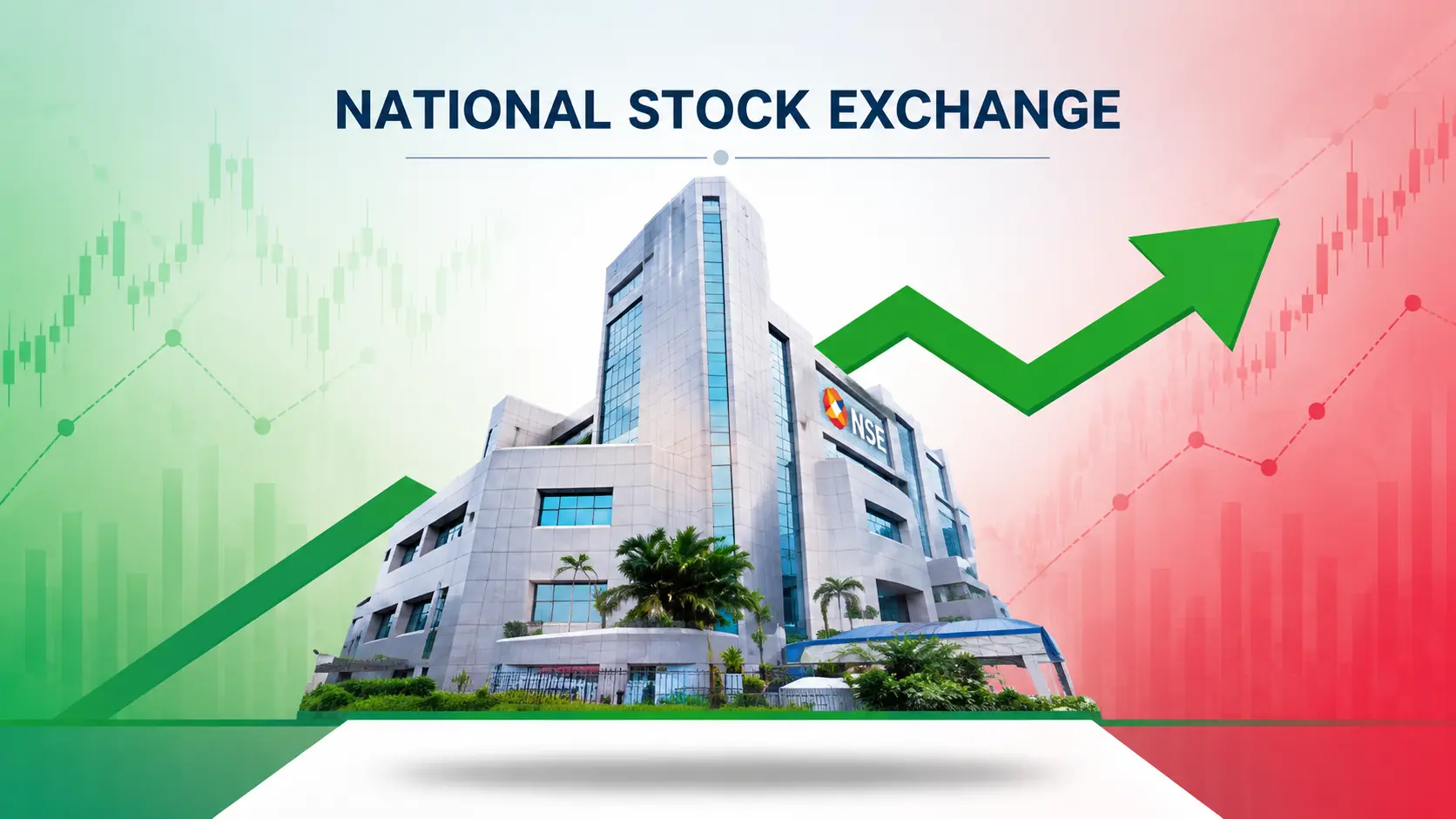
The National Stock Exchange, popularly known as NSE, was established in 1992 and started operations in 1994. It is the largest stock exchange in India by trading volume and is known for introducing fully electronic, screen-based trading in the country, which made stock trading faster, transparent, and accessible to investors across India. Before NSE, stock trading in India was done through an open outcry system, which was slow and less transparent. NSE changed the entire trading culture of India by bringing modern technology to the stock market.
NSE's benchmark index is called the Nifty 50, which represents the top 50 companies listed on NSE based on market capitalization. The Nifty 50 is widely used by investors, fund managers, and analysts to track the overall health of the Indian stock market. NSE handles a much higher trading volume compared to BSE, especially in segments like derivatives, futures, and options trading. Because of its high liquidity and modern technology, most active traders and large institutional investors prefer NSE for day-to-day trading. If you are a beginner researching how to invest in NSE, the process is simple — your existing Demat and trading account already gives you direct access to NSE without any extra paperwork.
 Important Points
- Nse Was Established In 1992 And Started Trading In 1994.
- Nse Introduced Fully Electronic, Screen-Based Trading In India.
- Nifty 50 Is The Benchmark Index Of The National Stock Exchange.
- Nse Has Much Higher Trading Volume Than Bse, Especially In Derivatives.
- Most Active Traders And Institutions Prefer Nse For Daily Trading.
- Your Existing Demat Account Already Gives You Access To Nse Trading.
- Nse Is Known For High Liquidity And Fast, Transparent Order Execution.
2. What Is BSE (Bombay Stock Exchange)?
India's oldest stock exchange, the Sensex index, and its role in Indian financial history.
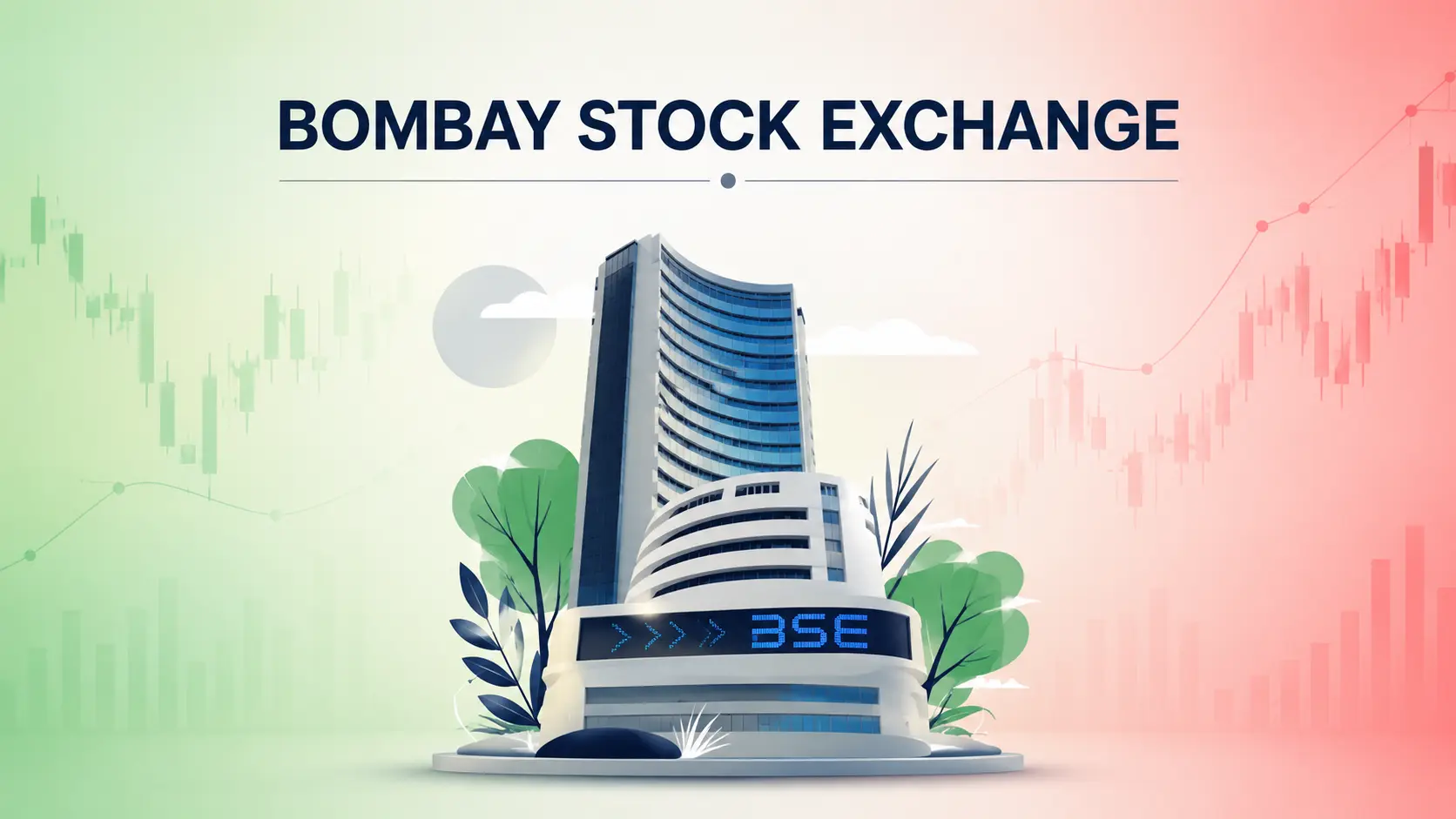
The Bombay Stock Exchange, known as BSE, is the oldest stock exchange in Asia, established way back in 1875. For more than 145 years, BSE has played a foundational role in shaping the Indian stock market and Indian corporate history. BSE is located in Mumbai, India's financial capital, and is one of the most respected and trusted institutions in the Indian investing ecosystem. Many of India's oldest and most well-established companies have their roots tied to BSE listings going back decades.
BSE's benchmark index is the Sensex, short for Sensitive Index, which tracks the top 30 financially sound and well-established companies listed on BSE. The Sensex is one of the most recognized stock market indicators in India and is frequently quoted in news, financial media, and government economic reports. While BSE has historically had lower trading volume compared to NSE, it remains an extremely important exchange because it lists thousands of companies, including many small and mid-cap companies that may not be available on NSE. For investors interested in stock exchange India for beginners content, understanding BSE's legacy and the importance of the Sensex index is essential, since both Nifty and Sensex are used together to judge the direction of the Indian stock market every single day.
 Important Points
- Bse Was Established In 1875, Making It Asia's Oldest Stock Exchange.
- Sensex Is Bse's Benchmark Index Tracking The Top 30 Companies.
- Bse Is Headquartered In Mumbai, India's Financial Capital.
- Bse Lists Thousands Of Companies Including Many Small And Mid-Cap Firms.
- Sensex Is One Of The Most Widely Quoted Stock Market Indicators.
- Bse Has Lower Trading Volume Than Nse But A Larger List Of Companies.
- Bse Plays A Foundational Role In India's Financial And Corporate History.
3. NSE vs BSE — Key Differences Explained
A simple side-by-side comparison of NSE and BSE for beginner investors in India.
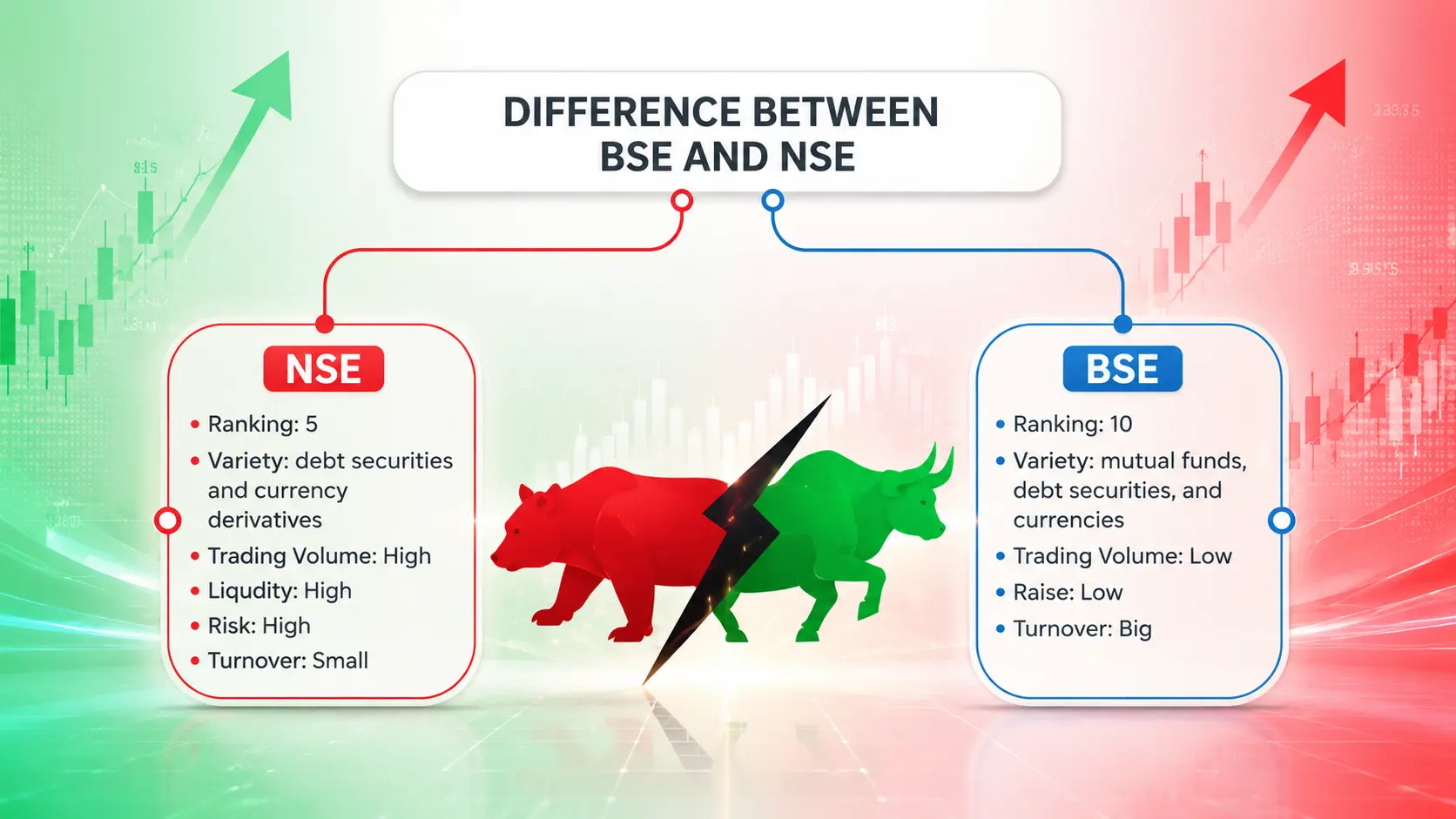
Now that you understand what NSE and BSE are individually, let's compare them side by side so the differences are crystal clear. The biggest difference between NSE and BSE lies in their trading volume — NSE handles a significantly larger share of daily trading activity, especially in equity derivatives like futures and options. BSE, on the other hand, has a longer history and a wider base of listed companies, including many smaller companies that choose to list only on BSE.
Another key difference is the index each exchange is known for. NSE's Nifty 50 tracks 50 companies, while BSE's Sensex tracks only 30 companies. Both indexes generally move in the same direction because the same large companies are listed on both exchanges, but small differences in their values can occur due to different calculation methodologies and constituent companies. For beginners doing NSE vs BSE comparison, the most practical takeaway is that you do not need to pick one over the other — your trading account gives you access to both, and you can buy or sell the same stock on whichever exchange offers a better price at that moment.
| Feature | NSE | BSE |
|---|---|---|
| Established | 1992 | 1875 |
| Benchmark Index | Nifty 50 | Sensex |
| Companies Tracked in Index | 50 | 30 |
| Trading Volume | Higher | Lower |
| Total Listed Companies | ~2,000+ | ~5,000+ |
| Known For | Derivatives & Technology | History & Legacy |
| Headquarters | Mumbai | Mumbai |
 Important Points
- Nse Has Higher Daily Trading Volume Than Bse In Most Segments.
- Bse Has More Total Listed Companies Than Nse Overall.
- Nifty 50 And Sensex Usually Move In The Same Market Direction.
- A Single Demat Account Gives You Access To Trade On Both Exchanges.
- Stock Prices Can Differ Slightly Between Nse And Bse At Any Given Moment.
- Brokers Automatically Route Your Order To The Exchange With Better Pricing.
- Comparing Nse Vs Bse Helps Beginners Understand India's Market Structure.
4. Which Is Better for Beginners — NSE or BSE?
Practical guidance on which exchange new investors should focus on when starting out.
For most beginners asking "which is better, NSE or BSE," the honest answer is that you don't have to choose just one. When you open a Demat and trading account in India, you automatically get access to both NSE and BSE through the same account. So technically, you are never restricted to a single exchange. However, if you are looking to understand where most of the trading action happens, NSE is generally the better starting point for beginners because of its higher liquidity, lower bid-ask spreads, and faster order execution — all of which make it easier and cheaper to enter and exit your trades.
That said, BSE remains extremely useful, especially if you are interested in smaller companies that may only be listed on BSE and not on NSE. Some small-cap and micro-cap stocks are exclusive to BSE, so ignoring BSE completely could mean missing out on certain investment opportunities. The best approach for beginners is to focus on learning solid investing fundamentals — such as fundamental analysis, technical analysis, and risk management — rather than worrying too much about which exchange to use. Your broker's trading app usually shows you the best available price across both exchanges automatically, removing the need to manually decide between NSE and BSE for most regular trades.
 Important Points
- Beginners Get Automatic Access To Both Nse And Bse Through One Account.
- Nse Is Often Easier For Beginners Due To Higher Liquidity And Tighter Spreads.
- Some Small-Cap Stocks Are Exclusively Listed On Bse And Not Nse.
- Your Broker App Automatically Finds The Best Price Across Both Exchanges.
- Focus On Learning Fundamentals Rather Than Choosing An Exchange.
- Both Exchanges Are Regulated By Sebi, Making Them Equally Safe.
- New Investors Should Prioritize Risk Management Over Exchange Choice.
5. How to Check If a Stock Is Listed on NSE or BSE
Step-by-step way to identify whether your stock trades on NSE, BSE, or both exchanges.
Many beginners get confused about how to check whether a particular stock is listed on NSE, BSE, or both. The easiest way is to simply open your trading app — Zerodha, Groww, Upstox, or Angel One — and search for the company name. Most trading apps will show you two ticker symbols or two tabs, one for NSE and one for BSE, along with their respective live prices. If a stock shows both options, that company is listed on both exchanges, which is the case for most large and mid-cap companies in India.
You can also visit the official NSE website (nseindia.com) or BSE website (bseindia.com) and search for the company name directly. These websites provide official data including the listing date, ISIN number, current price, and trading volume for that stock on the respective exchange. Additionally, financial news websites and apps like Moneycontrol or Investing.com display both NSE and BSE prices side by side for most stocks, making it easy to compare them instantly. Knowing how to check NSE vs BSE listings is a useful skill for every investor, especially when prices differ slightly between exchanges and you want to place your order on the one offering the better price at that moment.
 Important Points
- Search The Company Name In Your Trading App To See Nse And Bse Tabs.
- Visit Nseindia.Com Or Bseindia.Com For Official Listing Information.
- Use Moneycontrol Or Investing.Com To Compare Nse And Bse Prices.
- Most Large And Mid-Cap Companies Are Listed On Both Nse And Bse.
- Isin Number Helps Verify A Stock's Identity Across Both Exchanges.
- Comparing Live Prices Helps You Place Orders On The Better Exchange.
- Knowing Stock Listings Helps You Trade Smarter And Avoid Confusion.
Never Stop Learning About Investing!
Stay up to date with the latest courses, educator articles, quizzes, and market insights from thedigihk.in — your trusted stock market education partner in India.