

What is the Real Meaning of Bull Market vs Bear Market?
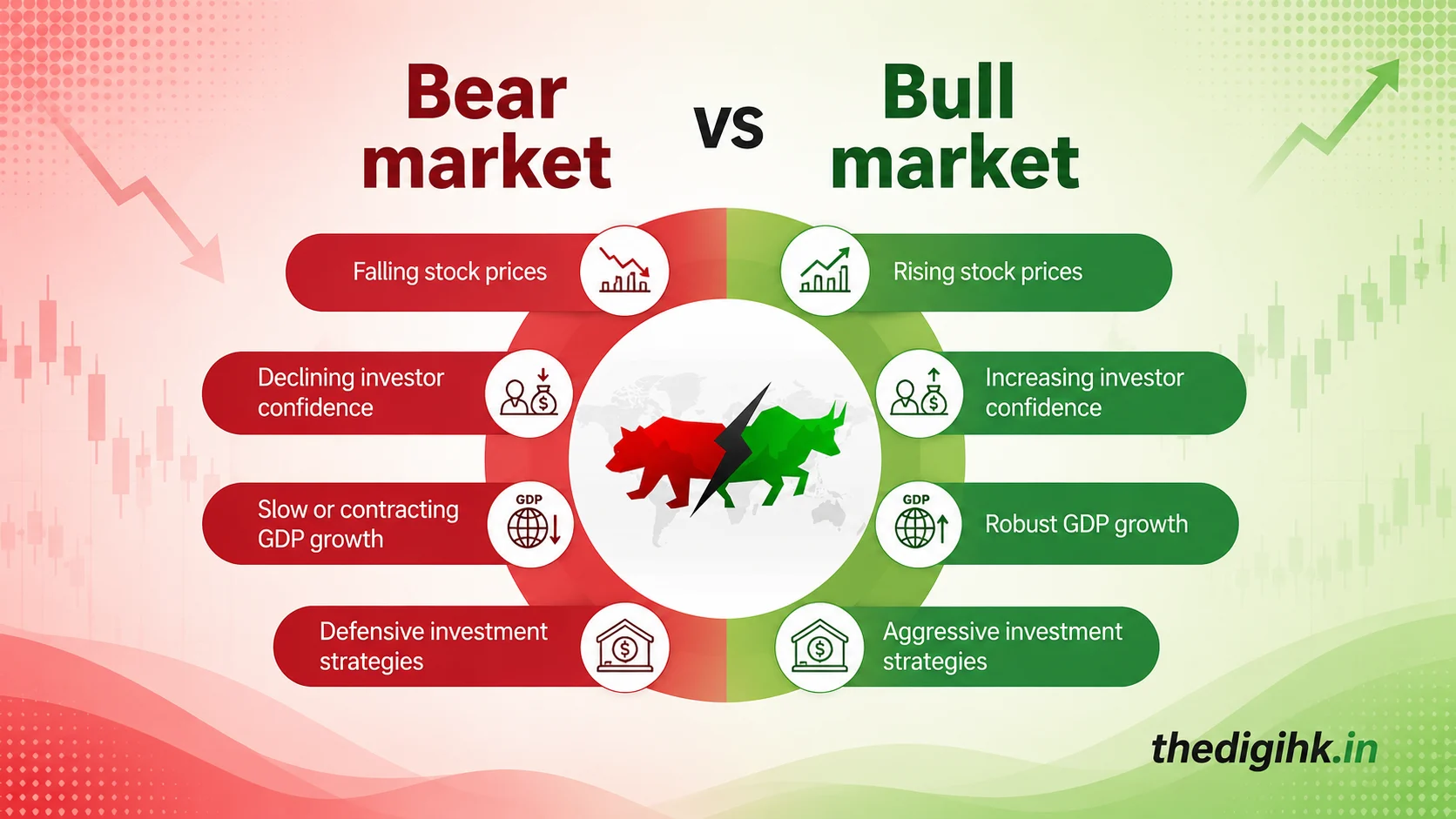
The terms bull market and bear market are commonly used to describe the overall direction of the stock market. Understanding the real meaning of bull market vs bear market is important for every investor because these market phases affect investment decisions, risk levels, and long-term returns. A bull market is a period when stock prices continue to rise, investor confidence remains high, and economic conditions are generally strong. In contrast, a bear market is a phase when stock prices decline for an extended period, investor sentiment turns negative, and concerns about economic growth increase. Learning the difference between these two market conditions helps investors understand stock market trends and prepare for different market cycles.

A bullish market meaning is often associated with optimism and strong economic growth. During this phase, companies report better earnings, employment rates improve, and investors are willing to invest more money in the market. As a result, stock prices continue to move upward. Many long-term investors prefer investing during a bull market because quality companies have the potential to generate strong returns over time. However, investors should still focus on proper research and risk management instead of blindly following market momentum. The other hand, the bearish market meaning refers to a period when stock prices fall continuously and market sentiment becomes negative. Economic slowdowns, high inflation, rising interest rates, or global uncertainties can lead to a bear market. Although many investors become fearful during this phase, experienced investors often consider bear markets as opportunities to buy fundamentally strong stocks at lower prices. Understanding market cycles can help investors avoid emotional decisions and stay focused on their long-term financial goals.

One of the most important lessons in stock market investing is that both bull and bear markets are natural parts of the financial system. No market moves upward forever, and periods of decline are normal. Investors who understand market cycles are better prepared to manage risks and maintain discipline during uncertain times. Instead of trying to predict every market movement, successful investors focus on diversification, long-term investing, and regular portfolio reviews.
1. What is a Bull Market and a Bear Market ?
A bull market and a bear market are two important terms in the stock market that describe the overall direction of prices. A bull market refers to a period when stock prices are rising and investor confidence is high. On the other hand, a bear market occurs when stock prices fall for a long period and market sentiment becomes negative. Understanding the difference between a bull market vs bear market is essential for beginners because it helps them make better investment decisions. A bull market is generally associated with economic growth, while a bear market is often linked to economic slowdowns. Learning these concepts is one of the first steps in understanding stock market trends and market cycles.

Key Highlights :-
Market Terms :-
2. Why Do Bull and Bear Markets Happen?
Bull and bear markets are influenced by economic conditions, company earnings, interest rates, inflation, and investor confidence. A strong economy and growing corporate profits often lead to a bull market. In contrast, recession fears, rising inflation, and weak earnings can trigger a bear market. Global events and government policies also affect stock market trends. Understanding why these market cycles occur helps investors stay calm and avoid emotional decisions. Knowing the causes of bull and bear markets can improve long-term investing strategies.

Main Reasons :-
Important Factors :-
3. How to Identify a Bull Market vs Bear Market ?
Identifying market conditions is important for investors and traders. In a bull market, stock prices continue making higher highs and higher lows, and investor confidence remains positive. During a bear market, prices decline, and fear dominates the market. Technical indicators, moving averages, and market indexes such as Nifty 50 and Sensex can help identify trends. Investors who understand stock market trends can make better decisions and manage risks effectively. Learning how to identify a bull market vs bear market is an essential skill for beginners.
Signs of a Bull Market :-
Signs of a Bear Market :-
4. Investment Strategies for Bull and Bear Markets .
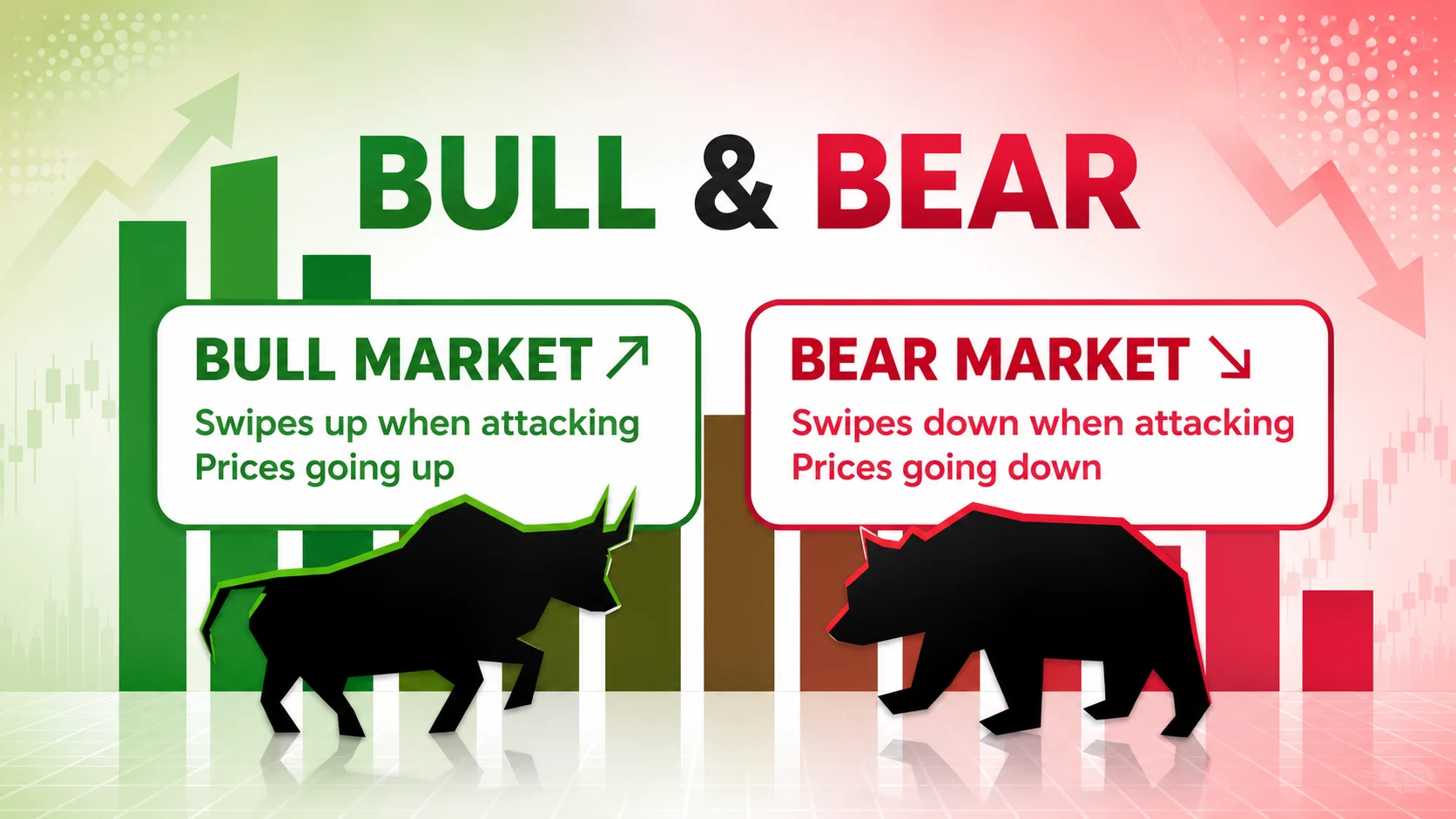
Investment strategies should change according to market conditions. During a bull market, investors often focus on growth stocks and long-term investments. In a bear market, defensive stocks, dividend stocks, and diversification become more important. Risk management is crucial in both situations. Investors should avoid emotional decisions and focus on quality companies. Understanding investment strategies for bull and bear markets helps investors protect their capital and take advantage of opportunities.
Bull Market Strategies :-
Bear Market Strategies :-
5. Why Understanding Market Cycles is Important for Beginners .
Every investor experiences both bull and bear markets. Understanding market cycles helps beginners avoid panic and make informed decisions. Stock markets move in cycles, and both rising and falling phases are natural. Investors who stay patient and focus on fundamentals are more likely to achieve long-term success. Learning about bull market vs bear market also improves financial knowledge and helps investors prepare for different market conditions. Instead of trying to predict every market movement, investors should focus on discipline and consistency.