

What Is the IPO ?
An IPO, also called an Initial Public Offering, is the process where a private company offers its shares to the public forthe first time. After launching an IPO, the company becomes listed on the stock market, and normal investors can buy its shares.In simple words, IPO helps a company collect money from public investors for business growth, expansion, new projects, or debtreduction. Many beginners start learning about investment in IPO because it gives them a chance to invest in a company at anearly stage before regular stock market trading begins.
For example, according to NSE India, an IPO is one of the biggest ways companies raise long-term funds from investors. NSE also explains that when investors buy shares in an IPO, they become partial owners of that company. This makes IPOs animportant part of the stock market and business growth system in India.
Today, many investors search for the best IPO to buy now because some IPOs provide strong listing gains and long-term profit opportunities. However, not every IPO becomes successful, so proper research is very important before investing. Investors should always check the company’s financial performance, business model, and future growth plans before applying. Understanding how to buy IPO shares is now very simple because most banks and trading apps provide online IPO applications. Investors need a Demat account, a trading account, and a UPI-enabled bank account to apply. After the IPO closes, the company finalizes share allotment, and the shares are credited to the investor’s Demat account before listing day. IPO investment can be beneficial for both beginners and experienced investors, but smart decision-making is necessary. Agood investment in IPO should always be based on research, market understanding, and long-term goals instead of market hype or social media trends.
1. How Does an IPO Work?
Simple explanation of how a private company becomes public.
An IPO, or Initial Public Offering, is the process where a private company offers its shares to the public for the first time. After launching an IPO, the company becomes publicly listed on the stock exchange, and normal investors can buy its shares. Many people start learning about investment in IPO because it gives them a chance to invest in a company at an early stage. Before launching an IPO, the company works with investment banks, prepares financial documents, and decides the share price. Once the IPO opens, investors can apply online through their bank or trading app. After the allotment process, shares are listed on the stock market where their price can go up or down based on demand. People often search for the best IPO to buy now because some IPOs give strong listing gains and long-term growth opportunities. However, every IPO does not guarantee profit, so proper research is important. Understanding how to buy IPO shares is also easy today because most brokers and banking apps provide direct IPO application options for beginners.

Important Points
2. Why Do Companies Launch an IPO?
Reasons like raising money, business growth, and brand value.
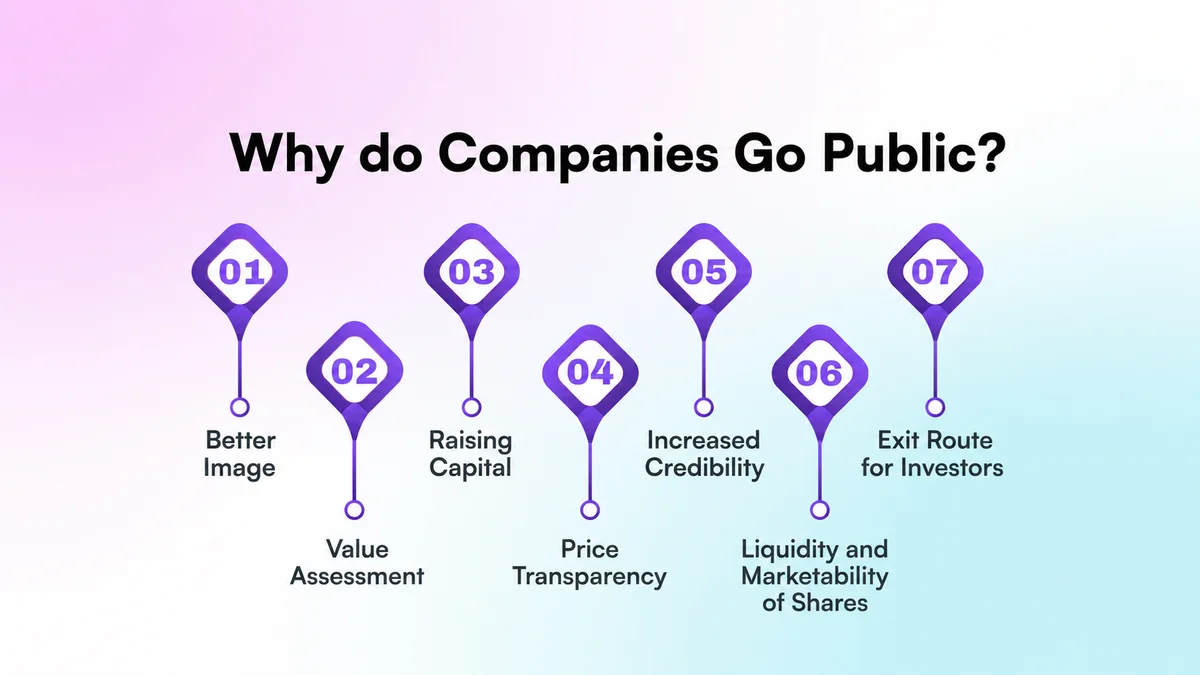
Companies launch an IPO mainly to raise funds for business growth. A company may need money to expand operations, launch new products, reduce debt, or enter new markets. Instead of taking loans from banks, companies sell shares to the public through an IPO. This is one reason why many investors look for the best IPO to buy now, as growing companies can perform well in the future. An IPO also increases a company’s visibility and trust in the market. When a business becomes publicly listed, more people know about the brand, and investor scan easily track its performance. For beginners interested in investment in IPO, it is important to understand why the company wants public money. A company with strong growth plans and good financial records usually attracts more investors. Today, learning how to buy IPO shares is easy, but choosing the right company matters more than just applying. Some companies use IPO funds wisely and grow quickly, while others may struggle after listing. That is why investors should always study the company’s goals and future plans before investing.
Important Points
3. Types of IPOs You Should Know -
Fixed Price IPO and Book Building IPO in easy language.
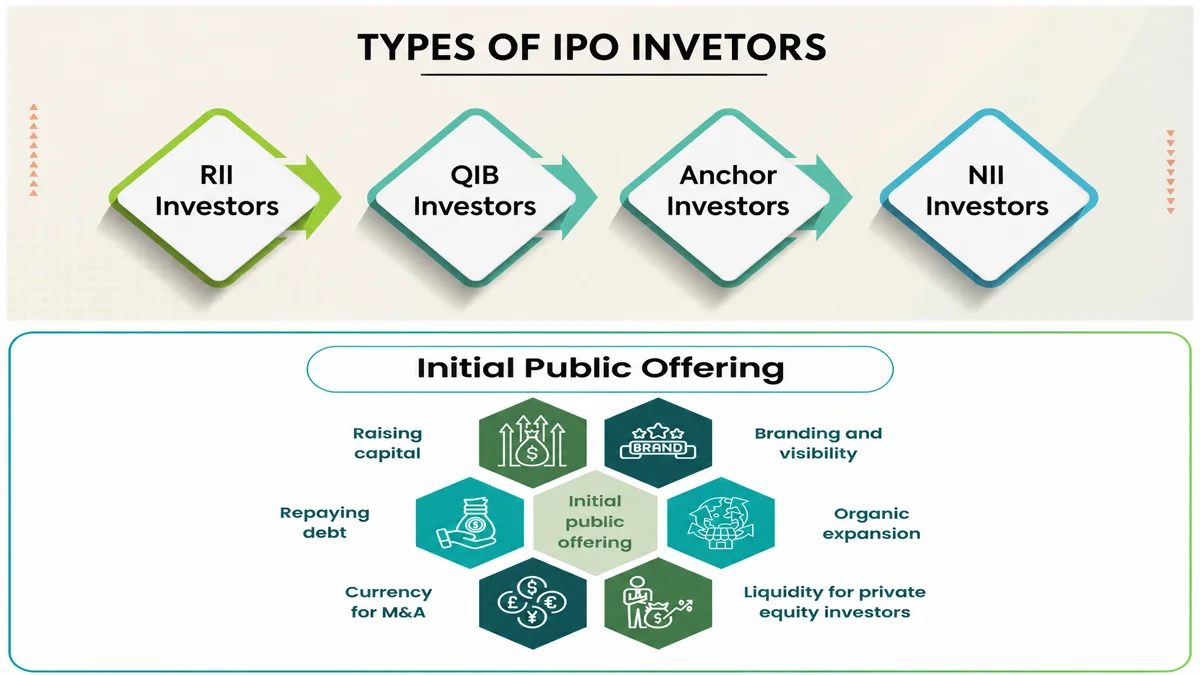
There are mainly two common types of IPOs: Fixed Price IPO and Book Building IPO. In a Fixed Price IPO, the company decides the share price before the IPO opens. Investors know exactly how much they need to pay for each share. In a Book Building IPO, the company prove idea price range called a price band, and investors place bids within that range. Most modern IPOs use the book-building method because it helps decide the market demand. People searching for the best IPO to buy now should understand these IPO types because pricing can affect profits and risks. For beginners starting investment in IPO, knowing the difference helps in making smarter decisions. Sometimes book-building IPOs attract more attention because strong investor demand may increase listing gains. Learning how to buy IPO also becomes easier when you understand bidding and pricing methods. Investors should carefully check the IPO details, company background, and market conditions before applying. Understanding IPO types can help avoid confusion and improve confidence while investing in the stock market.
Important Points
4. How Can You Invest in an IPO?
Step-by-step process for beginners to apply for an IPO.
Investing in an IPO has become very simple because most applications can now be completed online. To apply for an IPO, investors need aDemat account, a trading account, and a bank account with UPI support. Many beginners search for how to buy IPO because they want to startinvesting but do not know the process. First, investors select an IPO through a trading app or bank platform. Then they enter the number oflots they want to apply for and approve the payment request. After the IPO closes, the company finalizes share allotment. If shares areallotted, they are added to the Demat account before listing day. Many people focus on finding the best IPO to buy now, but they should alsocheck company fundamentals, financial performance, and market trends before investing. Smart investment in IPO is not only about quick listinggains but also about long-term growth opportunities. Beginners should start with proper research and avoid applying blindly to every IPOavailable in the market.
Important Points
5. Benefits of Investing in IPOs .
Early investment opportunities and possible profit benefits.
IPO investment can provide many benefits for investors, especially when they choose strong companies with good future potential. One majoradvantage of investment in IPO is the chance to buy shares before they start trading publicly. If market demand is high, investors may earnprofits on listing day itself. This is why many people regularly search for the best IPO to buy now. IPOs can also offer long-term growthopportunities because some companies expand rapidly after becoming public. For beginner investors, IPOs are a good way to learn about the stockmarket and company analysis. Understanding how to buy IPO shares has become easier with online platforms, making IPO investing more accessiblethan before. However, investors should avoid making decisions only based on market hype or social media discussions. A well-researched IPO canbecome a valuable addition to an investment portfolio. Companies with strong business models, experienced management, and stable financialperformance usually attract more investor confidence and can perform better over time.

Important Points
6. Risks of IPO Investment !
Market risk, listing loss, and things investors should be careful about.
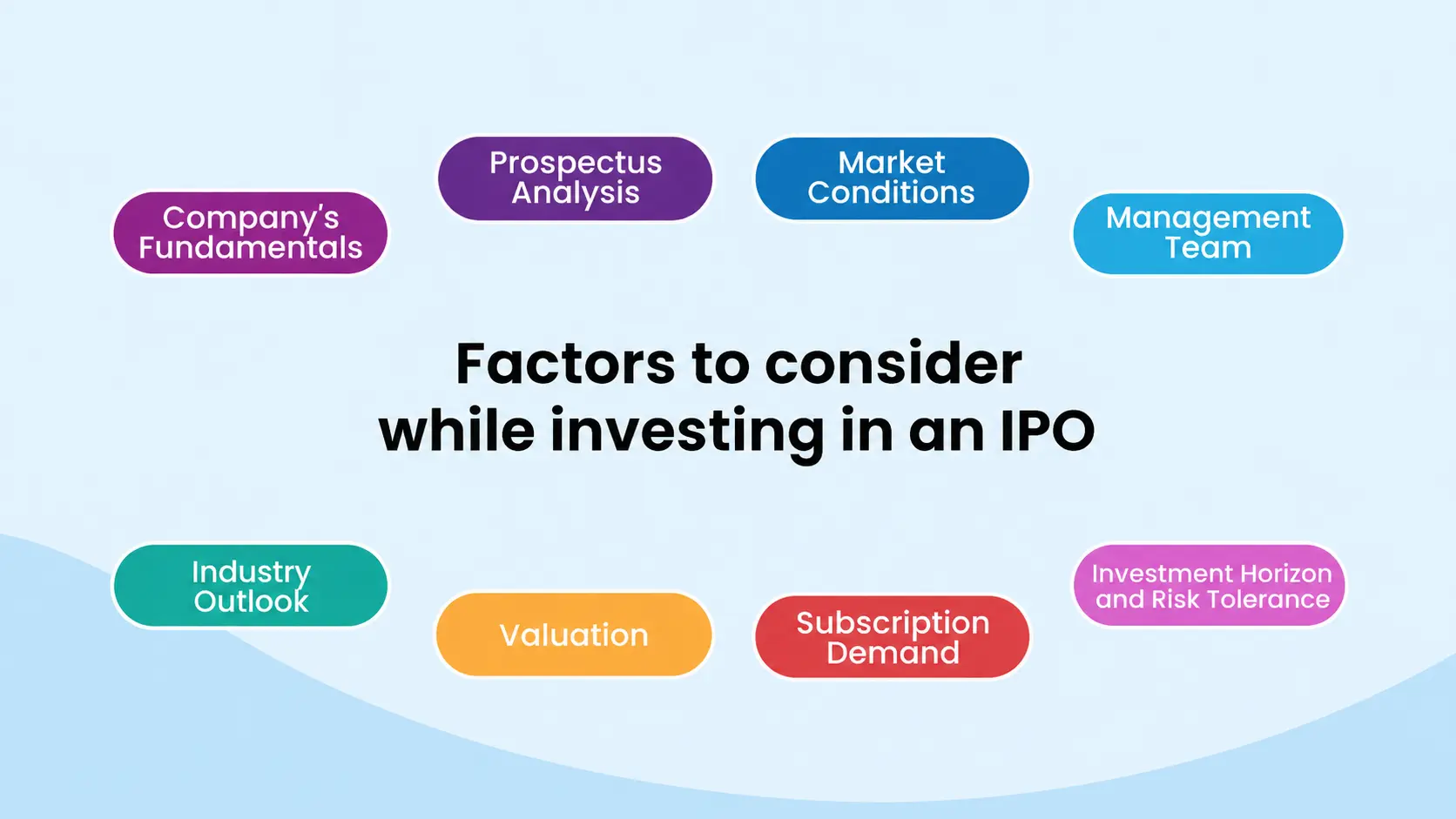
Although IPOs can provide good returns, they also involve risks that investors should understand carefully. Many beginners enter the marketafter hearing about profitable IPO listings, but not every investment in IPO becomes successful. Sometimes a company may list below its issueprice, causing losses to investors. Market conditions, poor financial performance, and low investor demand can affect IPO performance. This iswhy searching for the best IPO to buy now should include proper research instead of following trends blindly. Another risk is limited businesshistory, especially in new companies. Investors may not have enough long-term data to judge future growth. Learning how to buy IPO is simple,but understanding the company’s financial health is more important. Investors should read the company’s prospectus, check debt levels, revenuegrowth, and industry competition before applying. IPO investments can be rewarding, but smart decision-making and risk management are necessaryfor better results in the stock market.
Important Points
7. Important Things to Check Before Buying an IPO....
Company profit, business model, GMP, and market reputation.
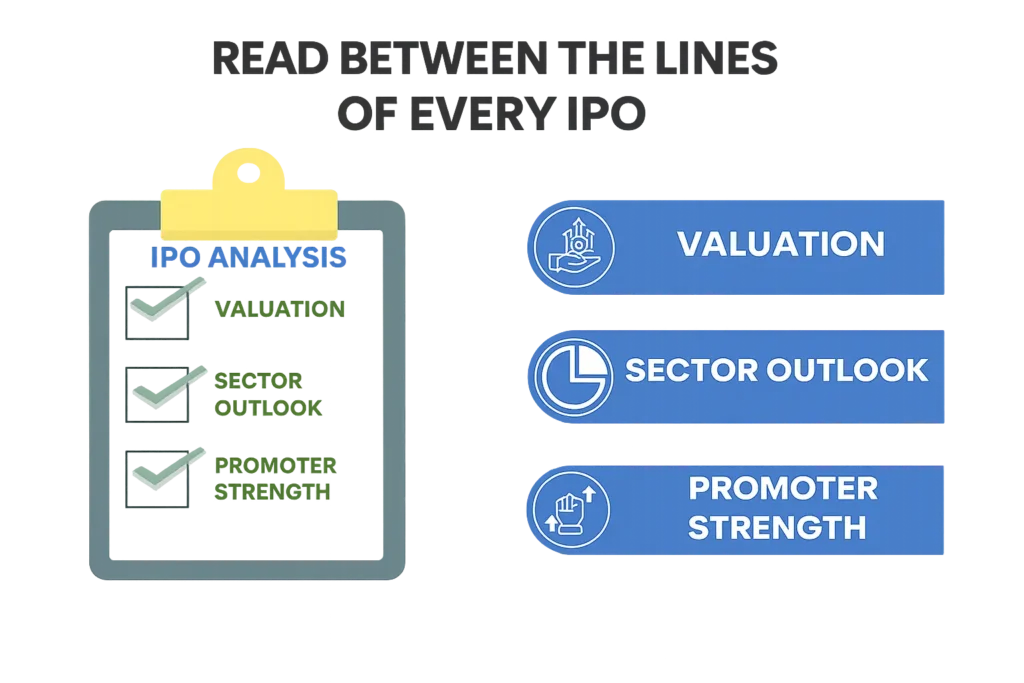
Before investing in any IPO, investors should carefully analyze the company and market conditions. Many people focus only on the best IPOto buy now, but successful investing depends on proper research. One important factor is the company’s financial performance, includingprofit growth, revenue, and debt levels. Investors should also understand the business model and future growth plans. Companies with strongmanagement teams and stable industries usually have better long-term potential. For smart investment in IPO, checking the company’s valuationis also important because overpriced IPOs may struggle after listing. Investors should also look at Grey Market Premium (GMP), although itshould not be the only decision factor. Learning how to buy IPO shares is simple, but understanding business quality helps investors make betterchoices. Reading the company prospectus can provide useful details about risks, competition, and how IPO funds will be used. Careful analysiscan reduce risk and improve investment confidence.
Important Points
8. IPO vs Stock Market: What’s the Difference ?
Difference between buying IPO shares and normal stock market shares. An IPO and the stock market are connected, but they are not the same thing. An IPO is the first time a company offers its shares to the public, while the stock market is where shares are traded regularly after listing. During an IPO, investors apply for shares before the company enters the market. After listing, those shares can be bought or sold daily through stock exchanges. Many beginners interested in investment in IPO often confuse IPOs with regular stock investing. IPO investing mainly focuses on early entry opportunities, while stock market investing includes both short-term trading and long-term investing. People searching for the best IPO to buy now usually look for new opportunities before shares start public trading. Learning how to buy IPO shares is slightly different from buying stocks because IPO applications happen during a limited subscription period. Both IPOs and stock market investments carry risks and rewards, so investors should build proper knowledge before investing money.
Important Points